
By therandomsci / May 4, 2021
Human Papillomavirus (HPV) is a common viral infection of the reproductive system. It is so common that at some point in life everyone gets exposed to it either one time or on multiple occasions. There is almost 150 strain of HPV. 40 of those strains are transmitted through sexual intercourse. These 40 strains are categorized into 2 basic categories higher risk strains and lower risk strain. Lower risk strain can cause warts and they can’t cause cancer. Higher risk strain can cause cancer which includes strains 35, 66, 68, 16, and 18.
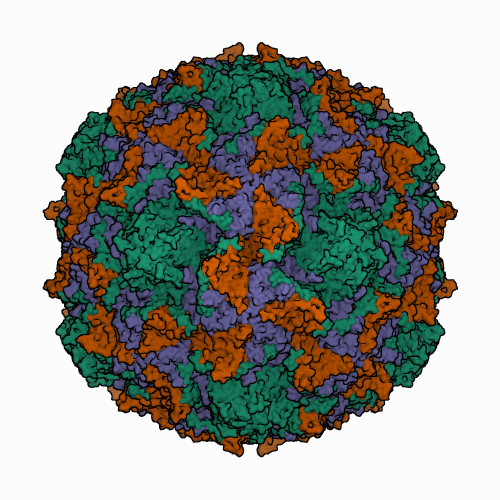
HPV lives on the surface cell and can easily transmit to skin-to-skin contact. Most people get genital HPV infection through sexual contact including vaginal, anal, and oral sex. Don’t worry 90% of HPV cases become undetectable within 2 years.
In rare cases, an affected mother can transmit HPV to her baby during delivery. In this condition, the child may develop recurrent respiratory papillomatosis where they develop HPV-related warts inside their throat or airways.
It doesn’t have any noticeable symptoms or health problems. 90% of the HPV gets remove on their own within 2 years.
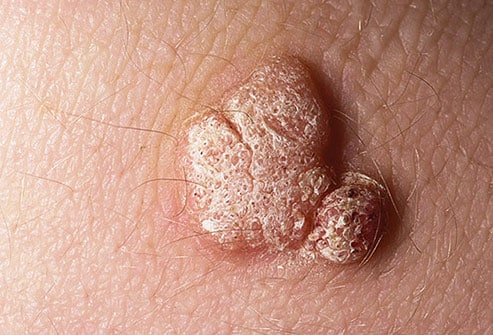
When the virus doesn’t go away it can cause serious health issues. Which include genital warts and warts in thought (recurrent respiratory papillomatosis). It can also cause cervical cancer and other genital cancer.
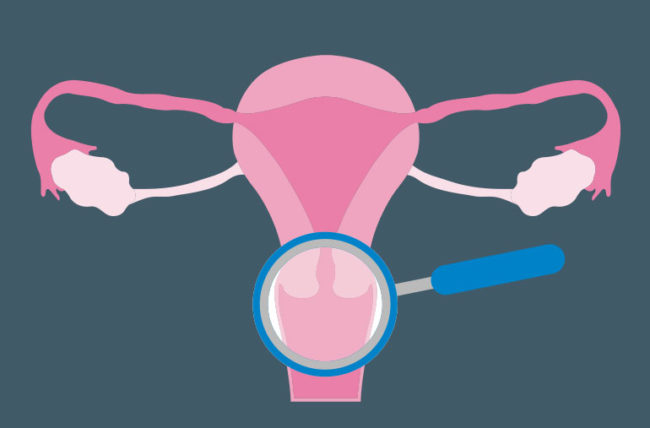
Pap Smears (Only for women) – It is a test in which a doctor takes a cervix swab test. They monitor cells before they become cancerous. Pap Smears will detect that HPV which causing cancer. It is recommended that women ages 21 to 29 should have a Pap test every 3 years.
· Sadly, there is no FDA-approved test available for the diagnosis of HPV in men.
Get Vaccinated- Gardasil 9 vaccine is available to prevent genital warts and cancer caused by HPV. Gardasil 9 vaccine is a 3 shorts series that help to prevent HPV strain to cause problems. For e.g. – 6, 11, 16, 18, 31, 33, 45, 52, 58.
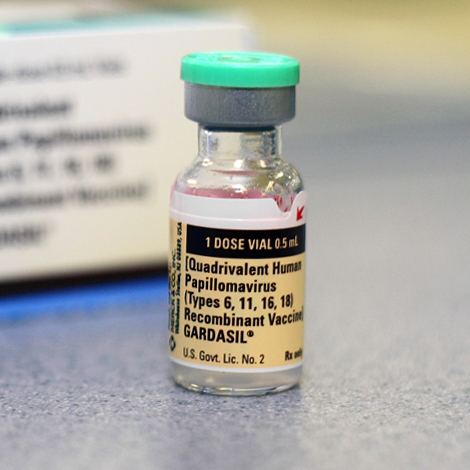
The CDC recommends the HPV vaccine for boys and girls ages 11 or 12 (Before any sexual activity). Two doses of the vaccine are given six months apart. Women and men ages 15 to 45 can also get vaccinated on a three-dose schedule.
• Use Condoms and practice safe sex.
https://www.who.int/news-room/fact-sheets/detail/human-papillomavirus-(hpv)-and-cervical-cancer
https://www.healthline.com/health/human-papillomavirus-infection#prevention
Cover- https://www.freepik.com/vectors/medical
HPV Image- https://www.rcsb.org/structure/2PLV
Warts Images- https://www.webmd.com/sexual-conditions/hpv-genital-warts/ss/slideshow-all-about-hpv
HPV Vaccine- https://en.wikipedia.org/wiki/HPV_vaccine
Leave A Comment