
By therandomsci / February 8, 2021
More than 99% of organisms that live on earth are extinct. As new species evolve, older species fade away.
When at least half of all species die out in a relatively short time over the course of our planet’s history is mass extinction. The largest mass extinction event occurred around 250 million years ago when 95% of all species went extinct. Though mass extinctions are deadly events, they open up the planet for new forms of life to emerge.
It was the first known mass extinction. 85% species wiped out. This small marine animal died out due to a fall in carbon dioxide level associated with the erosion of silicate rocks, which may have triggered a global cooling phase.
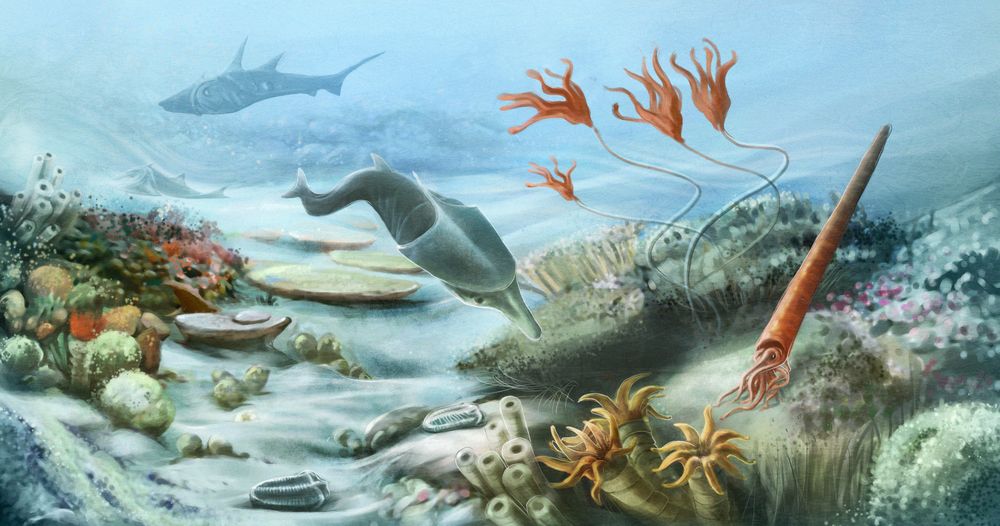
75% of all species on earth were wiped out over the span of roughly 20 million years. Many tropical marine species went extinct. At present, it is not possible to connect this series definitively with any single cause. They may probably record a combination of several stresses—such as excessive sedimentation, rapid global warming or cooling, bolide (meteorite or comet) impacts, or massive nutrient runoff from the continents.
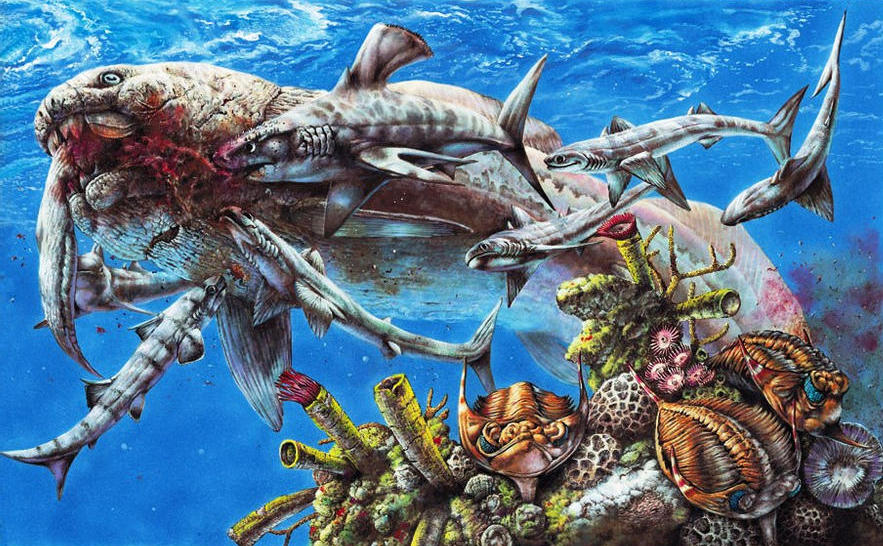
It is also called ‘The grate dying’. About 96% of all marine species and three of every four species on land died out. The forests and a large number of insect species were wiped out. The extinction’s single biggest cause is the Siberian Traps, an immense volcanic complex that erupted more than 720,000 cubic miles of lava across what is now Siberia. The eruption triggered the release of at least 14.5 trillion tons of carbon, more than 2.5 times what would be unleashed if every last ounce of fossil fuel on Earth were dug up and burned. Adding insult to injury, magma from the Siberian Traps infiltrated coal basins on its way toward the surface, probably releasing even more greenhouse gases such as methane.
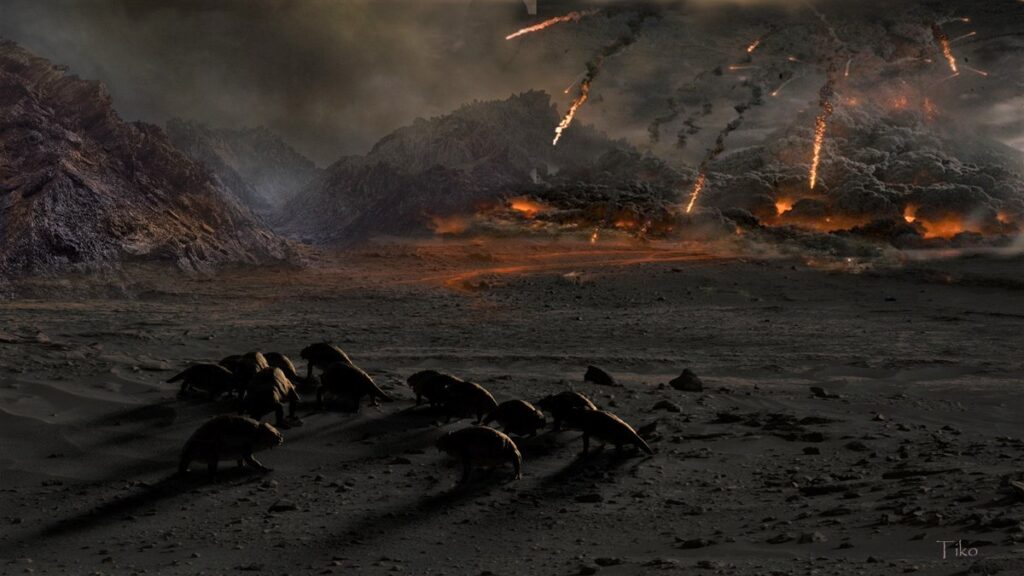
80% of all land and marine species died. Earth warmed an average of between 5 and 11 degrees Fahrenheit driven by a quadrupling of atmospheric CO2 levels.
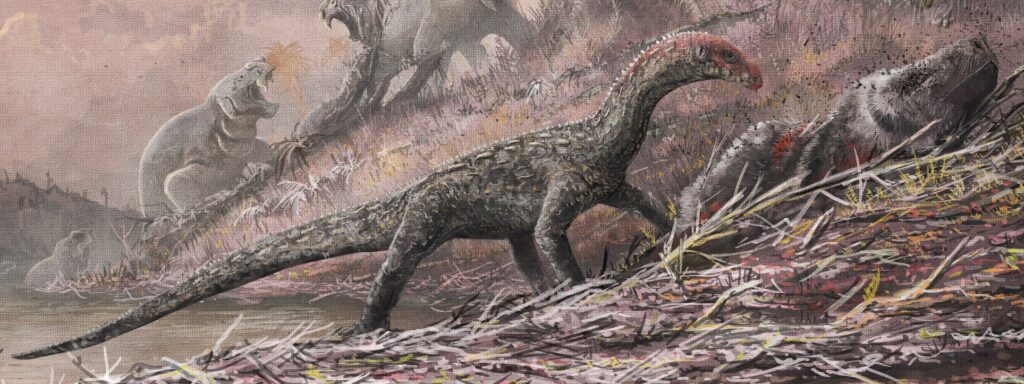
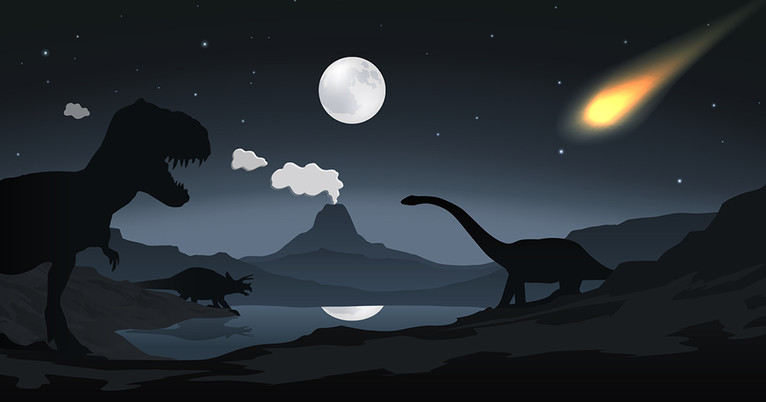
Today, extinctions are occurring hundreds of times faster than they would naturally. If all species currently designated as critically endangered, endangered, or vulnerable go extinct in the next century, and if that rate of extinction continues without slowing down, we could approach the level of mass extinction in as soon as 240 to 540 years.

https://www.britannica.com/science/Ordovician-Silurian-extinction
https://theconversation.com/what-is-a-mass-extinction-and-are-we-in-one-now-122535
https://www.nationalgeographic.com/science/prehistoric-world/mass-extinction/
Leave A Comment