
By therandomsci / July 7, 2020
You might hear that China’s Inner Mongolia issued a warning of Bubonic Plague. So far, two people have been diagnosed. And some people who are directly in contact with them are quarantine. It is the same disease caused by the Black Death in Europe in the 14th century, which killed at least a quarter of the population.
Plague is caused by bacteria called Yersinia pestis, it naturally infects rodents. In some countries, it is endemic in ground squirrels. Which means it is always present in ground squirrels. People can get infected if they are bitten by a flea that’s also bitten an infected animal. It mostly occurs in areas where people are in close contact with wildlife.
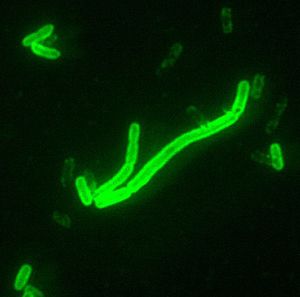
There are 3 types of plague
The most common is called “Bubonic plague”. This is when the bacteria travel from a flea bite to your lymph nodes. It causes flu-like symptoms and it turns lymph nodes into painful, swollen balloons called buboes, which can grow to the size of chicken eggs.
The second form is called “Septicemic plague“. This is when the bacteria get into the bloodstream from a flea bite. It can cause extreme weakness, chills, and abdominal pain, and skin on the tip of fingers, toes, or nose might turn black with gangrene and die.
Not bubonic nor septicemic plague can transfer person to person.
But if the disease is untreated the bacteria can spread the disease to lungs causing “Pneumonic plague”. This is the deadest form of infection and can spread by coughing on other individuals.
According to the CDC, the bacteria can survive in the air for about an hour. Eventually, it can lead to respiratory failure and shock

Today it is highly treated by antibiotics.
Prevention
Further Reading:
https://www.cdc.gov/plague/index.html
References:
https://www.cdc.gov/plague/index.html
Photo credit:
https://microbewiki.kenyon.edu/index.php/Yersinia_pestis
https://nationalpost.com/news/world/is-the-bubonic-plague-making-a-comeback
Leave A Comment