
By therandomsci / August 13, 2020

Are you using your Humidifier properly?

The humidifier is used to get rid of the problem of dry air. Cool mist humidifiers may help ease symptoms of cold or other respiratory conditions.
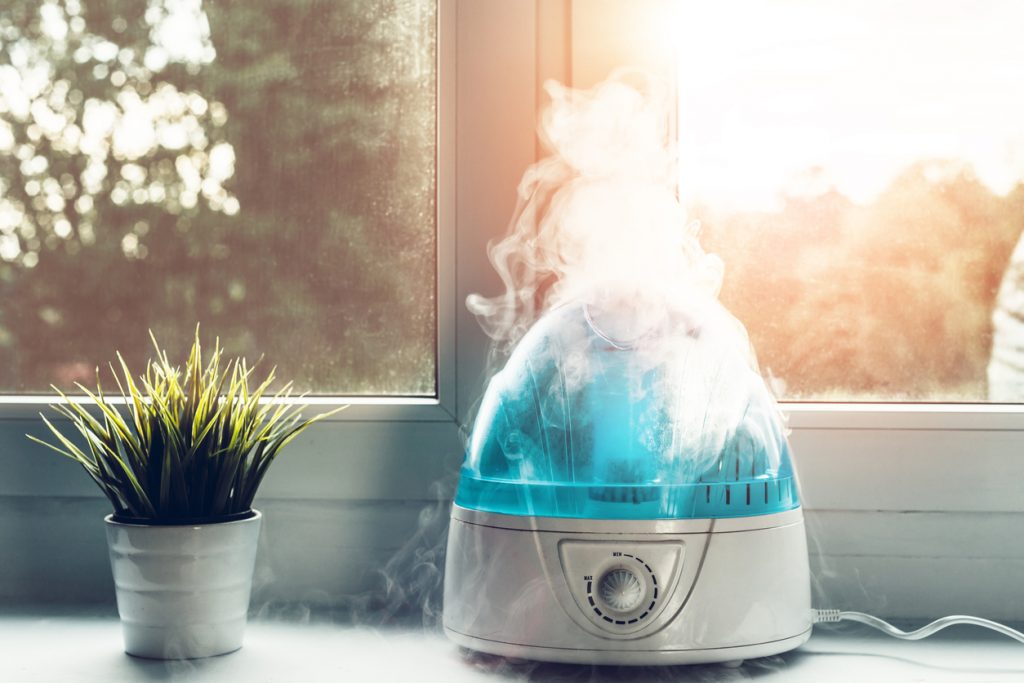
Humidifiers are devices that emit water vapor or steam to increase moisture levels in the air (humidity). There are several types:

  • Central humidifiers are built into home heating and air conditioning systems and are designed to humidify the whole house.
  • Ultrasonic humidifiers produce a cool mist with ultrasonic vibration.
  • Impeller humidifiers produce a cool mist with a rotating disk.
  • Evaporators use a fan to blow air through a wet wick, filter or belt.
  • Steam vaporizers use electricity to create steam that cools before leaving the machine. Avoid this type of humidifier if you have children; hot water inside this type of humidifier may cause burns if spilled.

Ideal humidity levels

Humidity is the amount of water vapour in the air. Humidity level is higher during summers and low in winter. Humidity in home should be in between 30% to 50%.

  • Low humidity can cause dry skin, irritate your nasal passages and throat, and make your eyes itchy.
  • High humidity can make your home feel stuffy and can cause condensation on walls, floors and other surfaces that triggers the growth of harmful bacteria, dust mites and molds. These allergens can cause respiratory problems and trigger allergy and asthma flare-ups.

How to measure humidity in home?

You can measure humidity by using Hygrometer it measures the amount of moisture in the air. Many humidifiers have built-in hygrometer or humidistat that maintain humidity within a healthy range.

When humidity get too high commonly during summer. To reduce moisture you can use Air conditioner or Dehumidifier.

Keep humidifier clean

To keep humidifiers free of harmful mold and bacteria, follow the guidelines recommended by the manufacturer. These tips for portable humidifiers also can help:

  • Use distilled or demineralized water: tab water contain minerals that can create deposits inside your humidifier that promote bacterial growth.
  • Change humidifier water often
  • Clean humidifier every 3 days
  • Always rinse the tank after cleaning
  • Change humidifier filters regularly
  • Consider replacing old humidifiers: Over time, humidifiers can build up deposits that are difficult or impossible to remove and encourage growth of bacteria.

Health

If you have asthma or allergies, talk to your doctor before using a humidifier. Increased humidity may ease breathing in children and adults who have asthma or allergies, especially during a respiratory infection such as a cold. But dirty mist or increased growth of allergens caused by high humidity can trigger or worsen asthma and allergy symptoms.

References:

https://www.mayoclinic.org/diseases-conditions/common-cold/in-depth/humidifiers/art-20048021

Leave A Comment