
By therandomsci / December 8, 2020
On a clear night, if you are lucky, you can see maybe 3000 stars. But this is just a very small number. In our galaxy alone there are 100 billion stars. And in fact, there are over 100 billion galaxies in the observable universe.
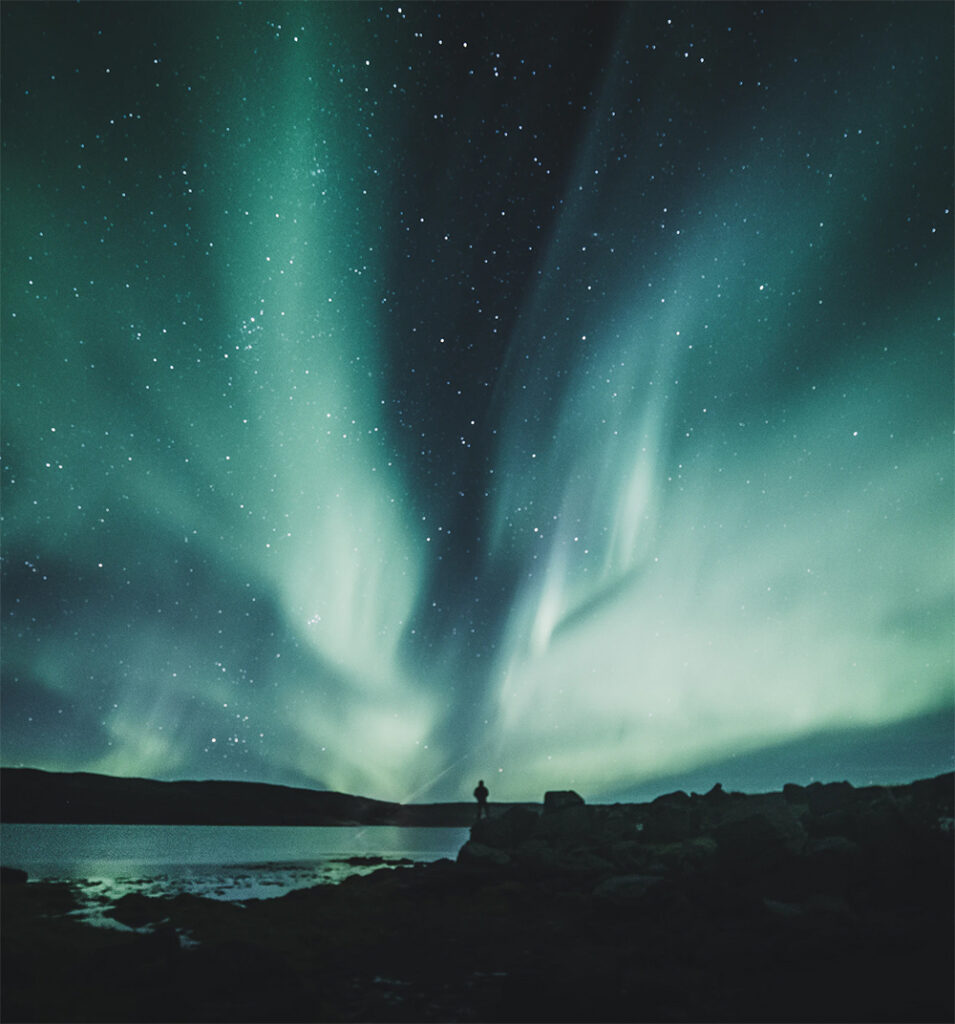
Stats create basic matter for everything in the universes including us. Most of the star is very far we know very little about them. But there is a star that is very close to us through that we know virtually everything about stars. Our sun is nothing but a star like the rest of the stars in the universe.
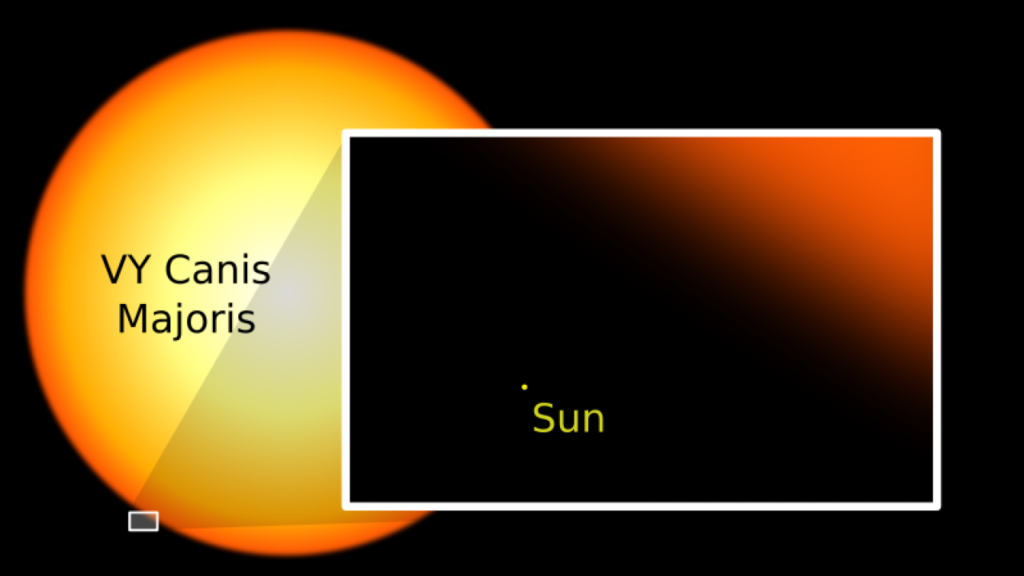
Our sun is a giant ball of gas that is lightening our solar system for 4.6 billion years. Our sun is very tiny compare to really big stars in the universe.
Sun (diameter-1.3927 million km) → Eta Carinae (5 million times larger than our sun) (diameter- 10 million miles) → Betelgeuse (300 times larger than Eta Carinae) (diameter- 1.234 billion km) → V.Y. Canis Majoris (a billion time bigger than our sun) (diameter- 1.9758 billion km)
Stars burn in different colors red, blue, yellow. Some stars live alone some live in pairs orbiting each other. Each star is unique but they all start life in the same way. By clouds of dust and gas called nebulas. The nebula is a star nursery where millions of new stars are born. When a star is formed there is large thick dark dust that is not visible from the telescope. In 2004 when NASA launched The Spitzer Space Telescope which is Infrared Telescope that only sees heat. Heat passes through the thick dust of the nebula allowing Spitzer to see new stars coming to life inside.
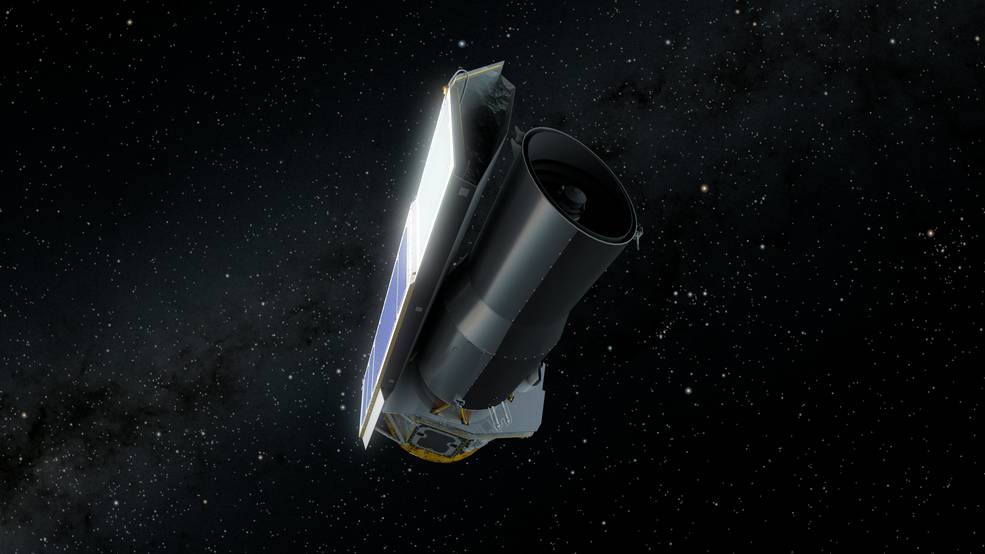

This picture captures the earliest moments in a star’s life as pockets of hydrogen gas begin to heat up. Stars are made up of hydrogen, gravity, and time. Gravity pulls the dust and gas into a giant vortex. It brings matter together. When you bring matter together and you squeeze things into smaller spaces, they heat up. You compress something you drive the temperature up.

Over hundreds of thousands of years, the cloud gets thicker and forms a giant spinning disk. At its center, gravity crushes the gas into a super-dense, super-hot ball. Pressure builds until huge jets of gas burst out from the center. Gravity keeps the pressure on, sucking in gas and dust particles that smash into each other, generating more and more heat. Over half a million years, the young star gets smaller, brighter, and hotter. The temperature at its core reaches 15 million degrees. Only at that temperature atoms of gas begin to fuse together, releasing a massive amount of energy.
Leave A Comment