
By therandomsci / July 22, 2020
Sun is 149.6 million km away from earth. And the moon is 384,400 km from earth. Therefore, they appear the same size from earth. A solar eclipse occurs when the moon passes in a direct line between the Earth and the sun.
So, Why there is no eclipse every month? Because moon orbit is tilted few degrees toward north and south.
The moon’s shadow has two parts: a central region (umbra) and an outer region (penumbra).
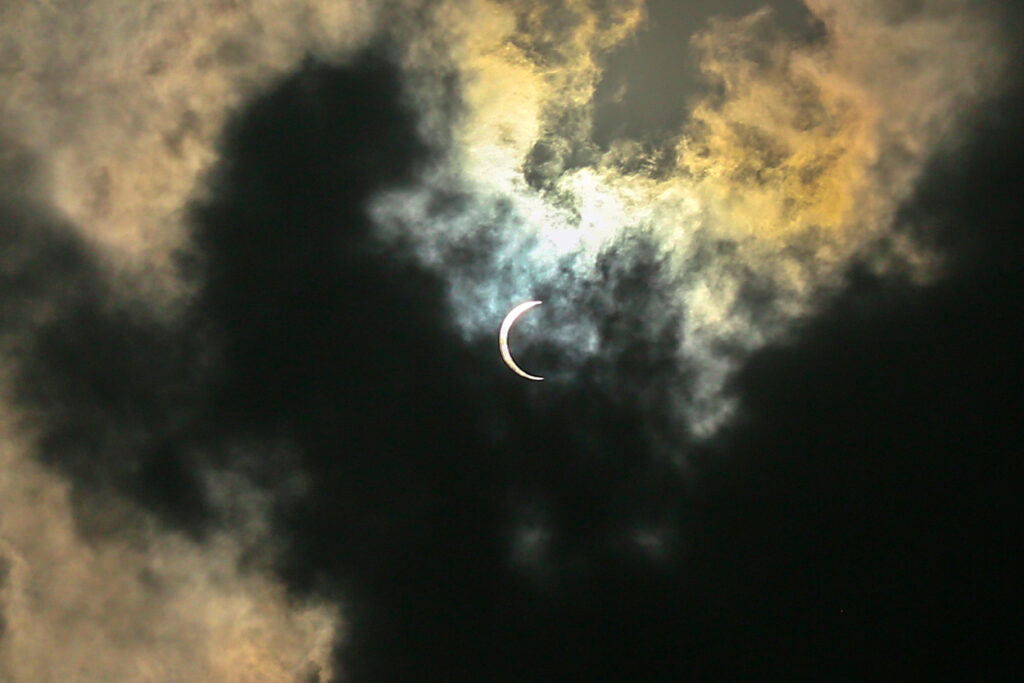
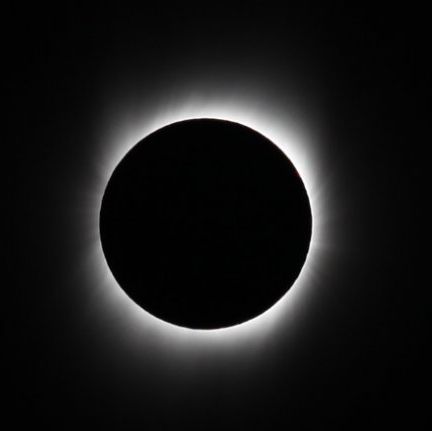
Moon completely covers Sun’s surface. Only be seen if you are in umber shadow. During a total solar eclipse, you can see the sun’s outer atmosphere, called the corona.
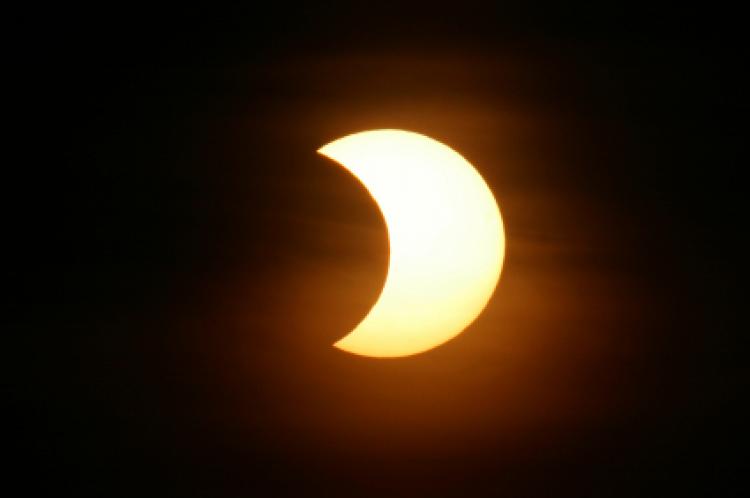
The moon passes in front of the Sun off-center. Not fully covering the sun surface. Seen in penumbral shadow.
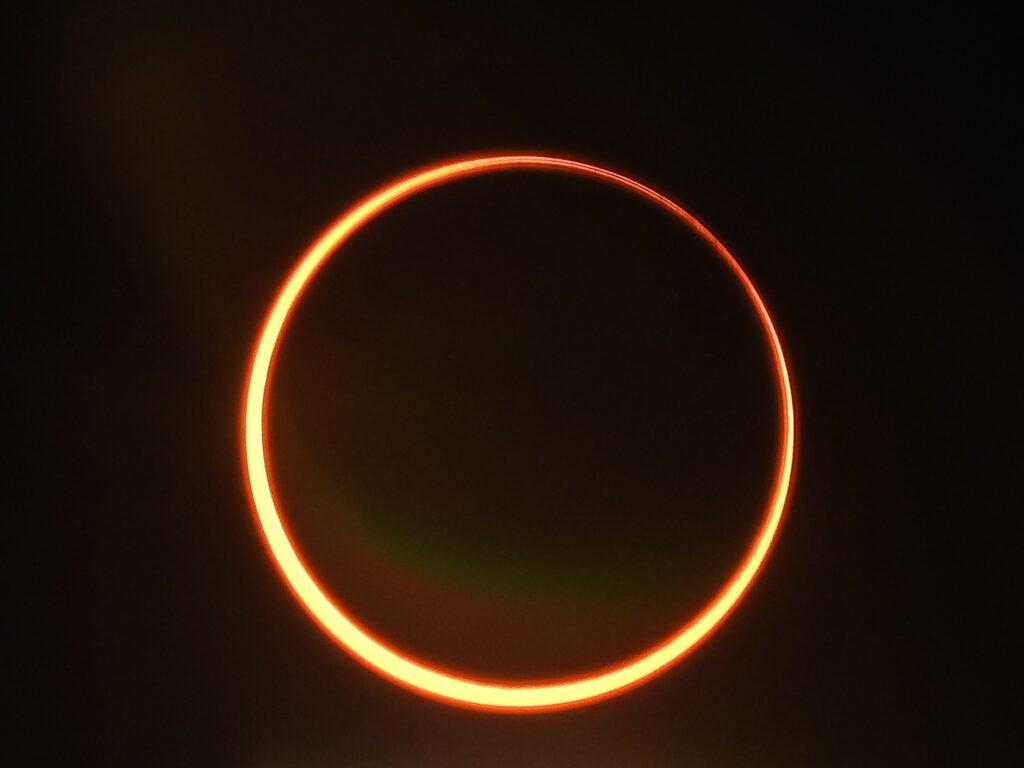
This occurs when the moon passes directly in front of the sun. The moon does not fully cover the surface of the sun which create a ring of fire
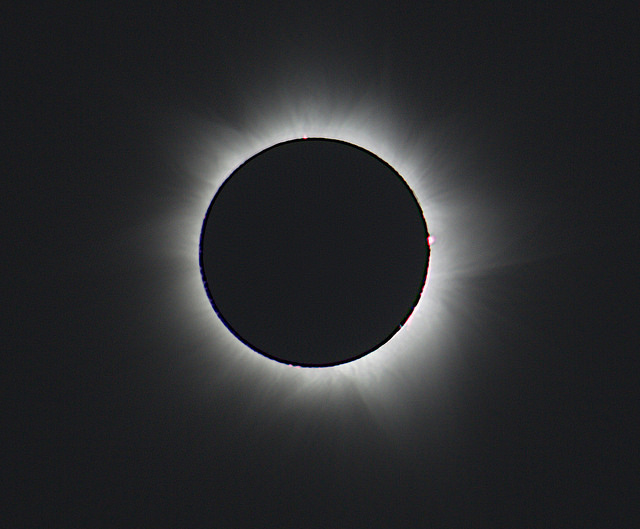
In other parts, the moon will be just close enough to fully cover the sun resulting in a total eclipse. The moon will be farther away from some parts of the earth along the eclipse path resulting in Annular eclipse.
Never look at the sun directly – doing so can damage your eyes. The best way to observe the sun is by projecting the image. Here is one way to project the sun’s image:
Enjoy observing!
Photo By Lutfar Rahman Nirjhar
Photo by VS RAMAN
Leave A Comment