
By therandomsci / February 20, 2021
Damaged brickwork can provide a narrow opening for a seed to lodge in and extend its roots, usually during the rainy season. The wetness permits the roots to go deep enough into the brickwork to survive next year. Rain and wind can enter through the cracks. Rockey walls can hold enough water for plants and there is always enough air to provide carbon dioxide. The swelling roots could be widened and deepened the cracks, making the site more favorable. It could also help by water freezing and expanding in the cracks in winter, and rain dissolving some of the lime in the mortar.
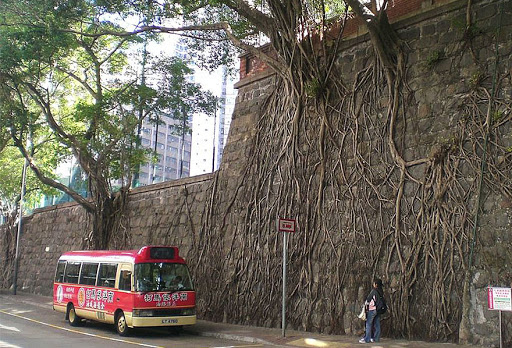
Wind dispersed seeds can grow and germinate before dying in drier weather. Their decaying roots enhance the water holding capacity of the brickwork before the tree seed arrives. Also, it will be more branched and have smaller leaves darkened by red pigments, which all plants produce under stress. In extremis, it can reduce its rate of water loss by shedding leaves.
Hartland, I 2005, Does Anything Eat Wasps?, New Scientist, London.
Richfield, J 2005, Does Anything Eat Wasps?, New Scientist, London.
Leave A Comment