
By therandomsci / February 11, 2021
Science is often considered a male-dominated field. But these female scientists broke boundaries and made important discoveries.
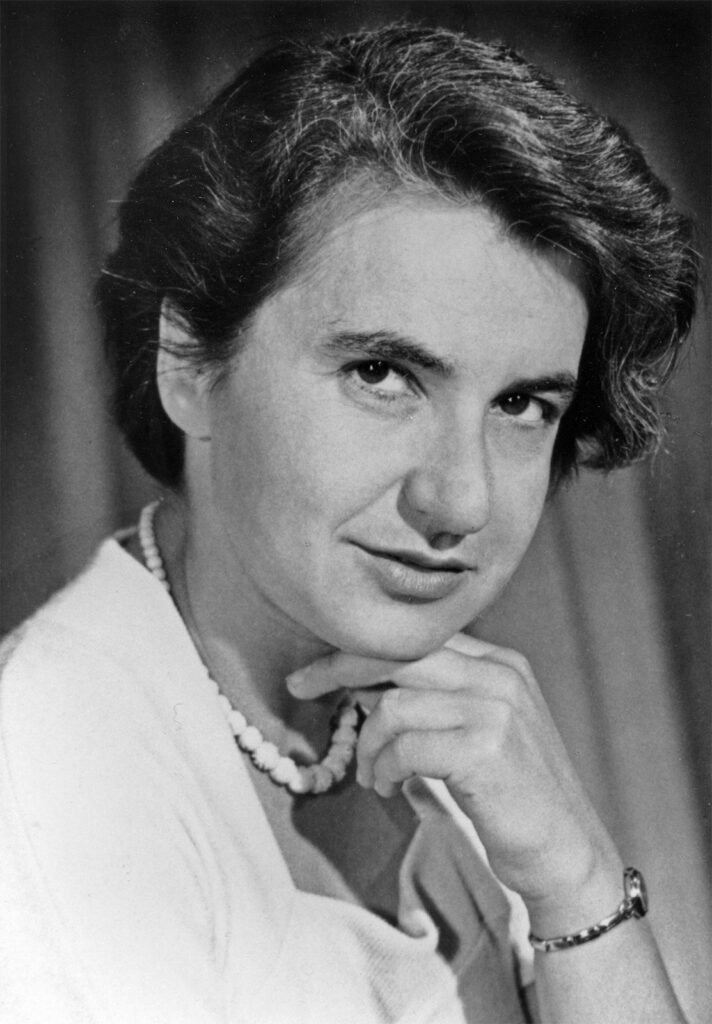
Franklin’s research data was the first to show the basic structure of DNA strands and reveal that it has two strands running in the opposite direction.
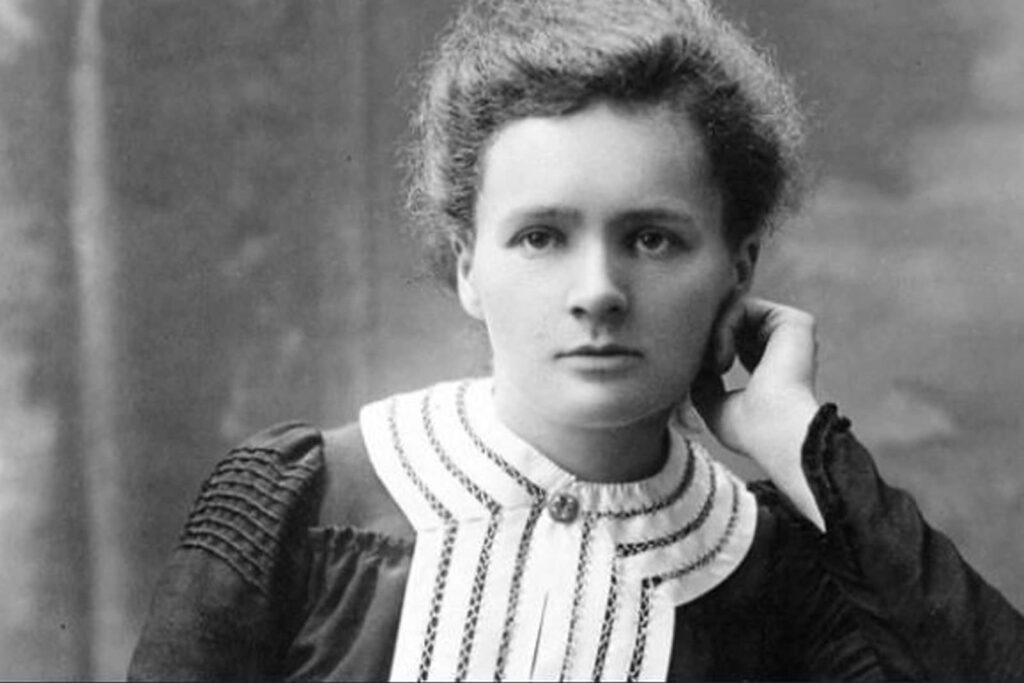
She becomes the first woman to awarded with Noble prize. After her first win in physics, she later earned an award in chemistry, making her the first person to have been awarded twice.
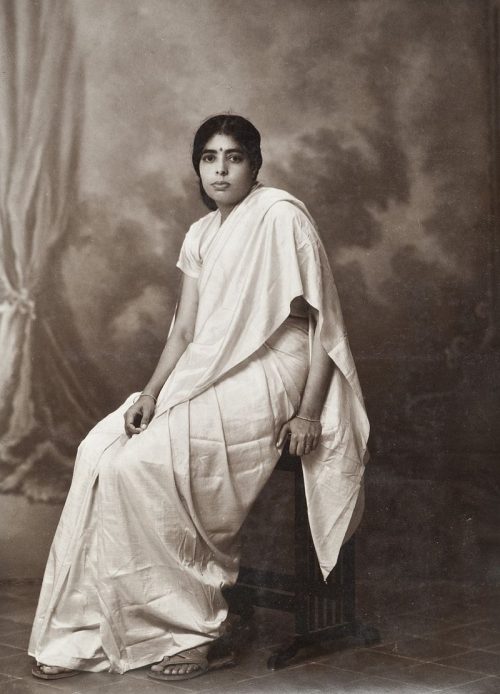
She is India’s first female plant scientist, Ammal developed several hybrid species still grown today. She also advocated for protecting the biodiversity of India.

Her calculations of orbital mechanics as a NASA employee were critical to sending the first Americans into space.
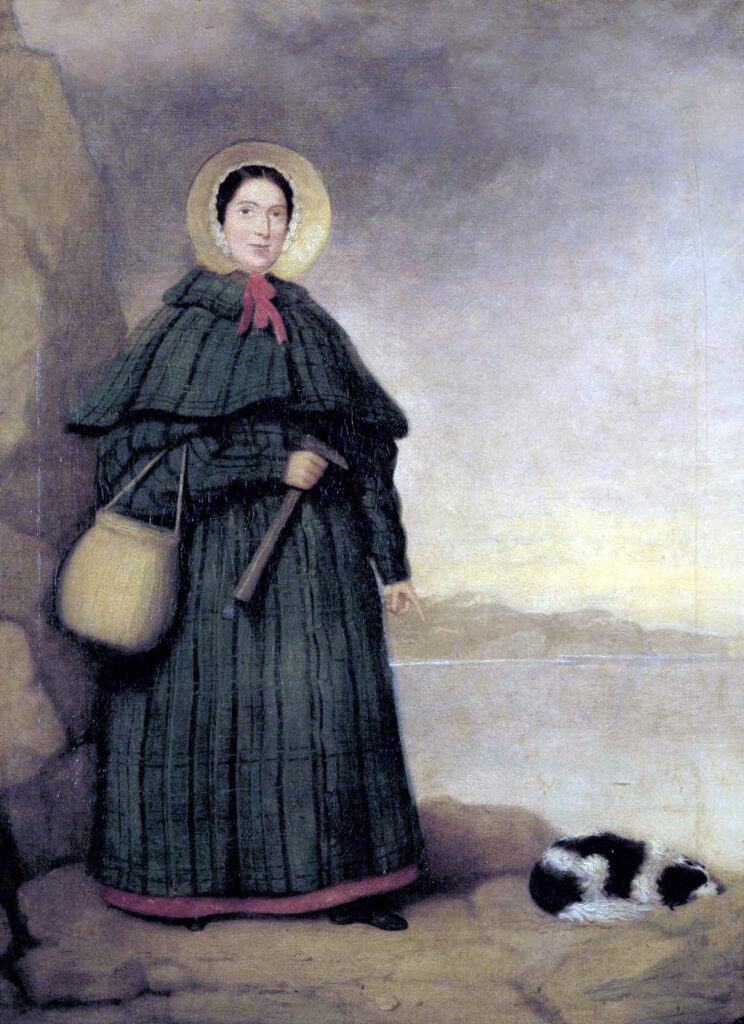
At the aged 12, Mary discovered the fossilized skeleton. At first, it was believed to be a crocodile, but as it passed around the scientific circles it was finally classified as an ichthyosaurus, dating back 200 million years, making it the first complete fossil of a dinosaur.
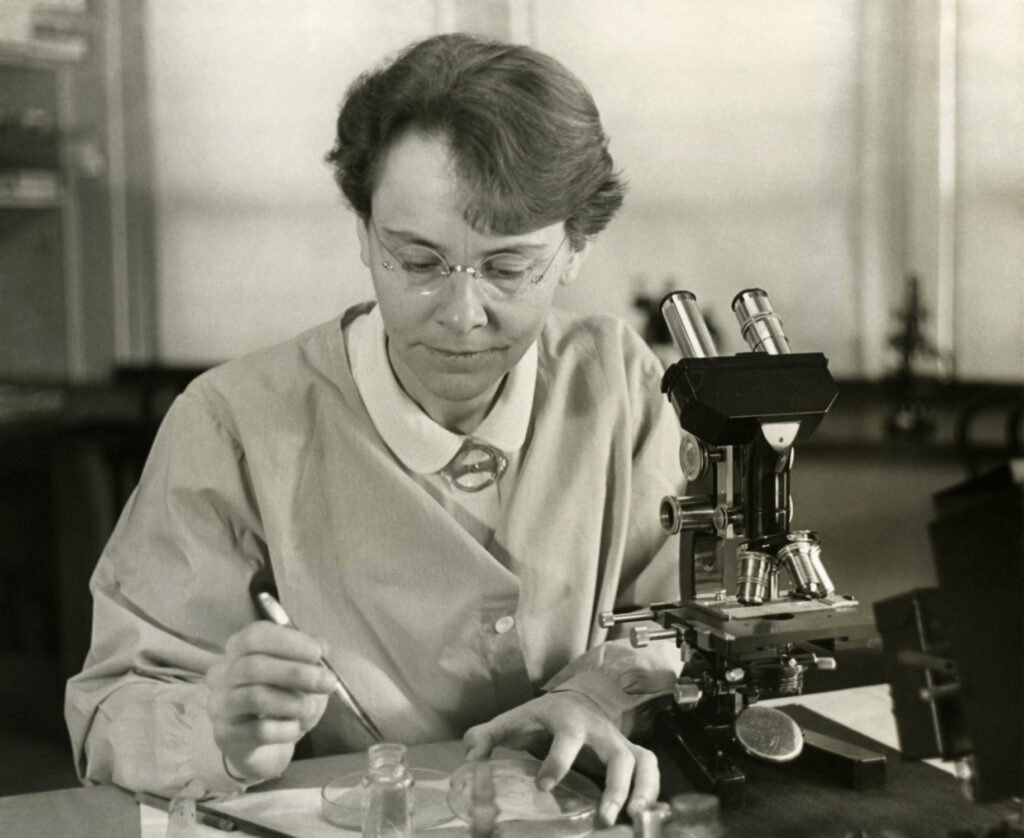
Her work was not immediately recognised, and jumping genes were considered junk DNA by much of the scientific community at the time. Still, McClintock pressed on and suggested they might in fact determine which of the genes in cells are switched on – vital in creating differences between cell types, without which we would be just one amorphous blob of matter.
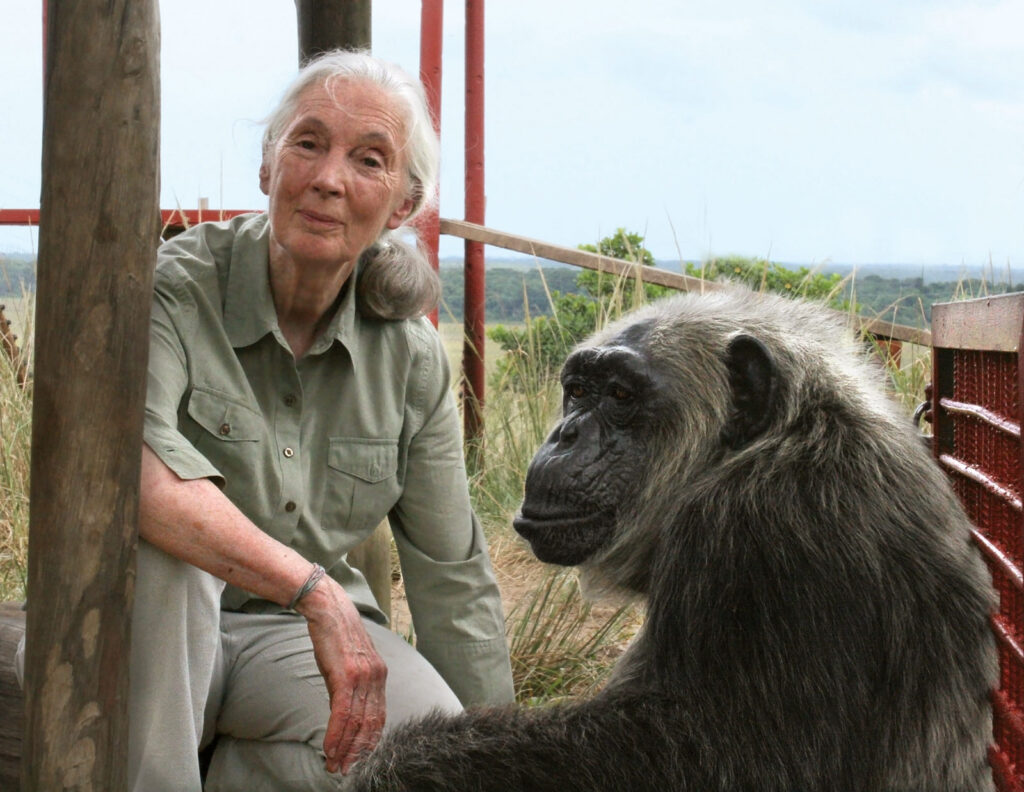
Jane’s enthusiasm and knowledge, embarked alongside her on an investigation of wild chimpanzees in Gombe at a time where the concept of a young woman cohabiting with wild African animals was preposterous. Her compassionate nature gained Jane the chimpanzees’ trust and she witnessed them eating meat and using tools, behaviors that disproved the existing assumption that chimpanzees were vegetarian.
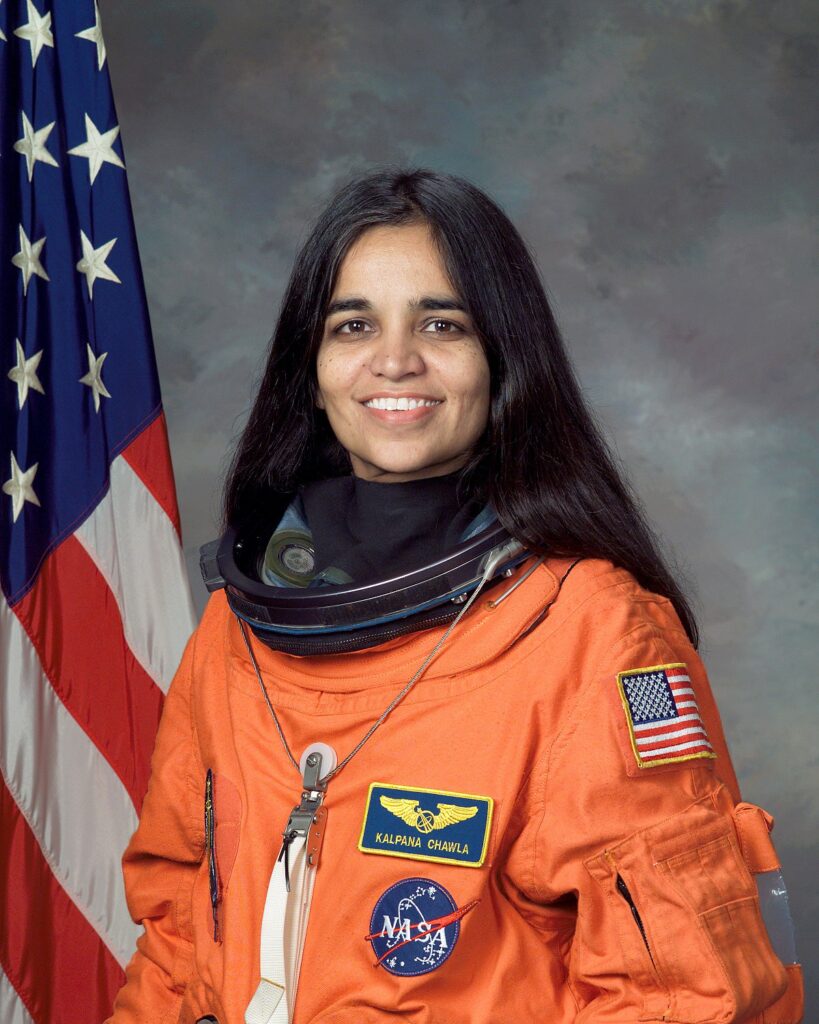
She first flew on Space Shuttle Columbia in 1997 as a mission specialist and primary robotic arm operator.
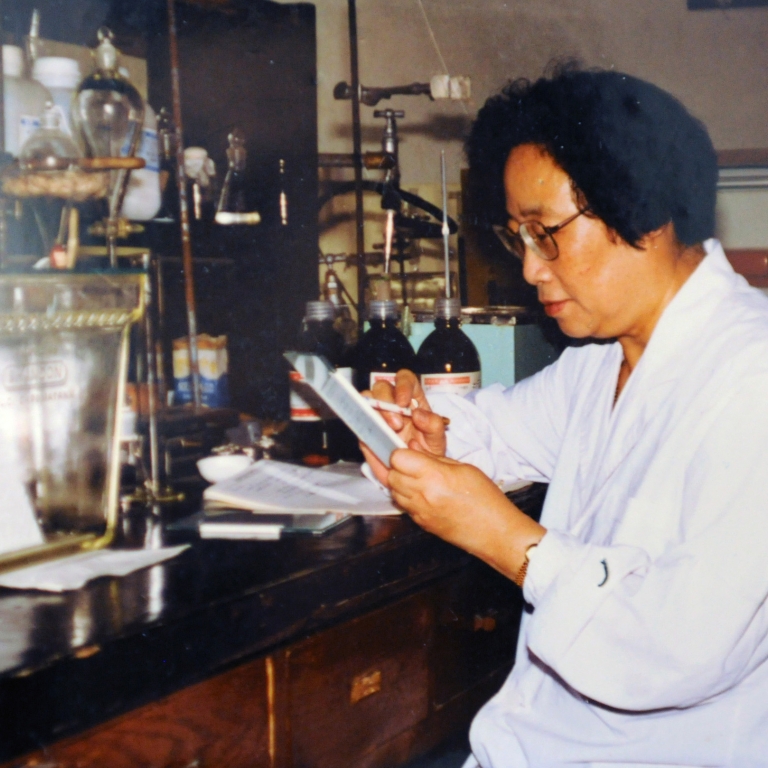
Tu, who studied traditional Chinese and herbal medicines, found a reference in ancient medical texts to using sweet wormwood to treat intermittent fevers, a symptom of malaria.
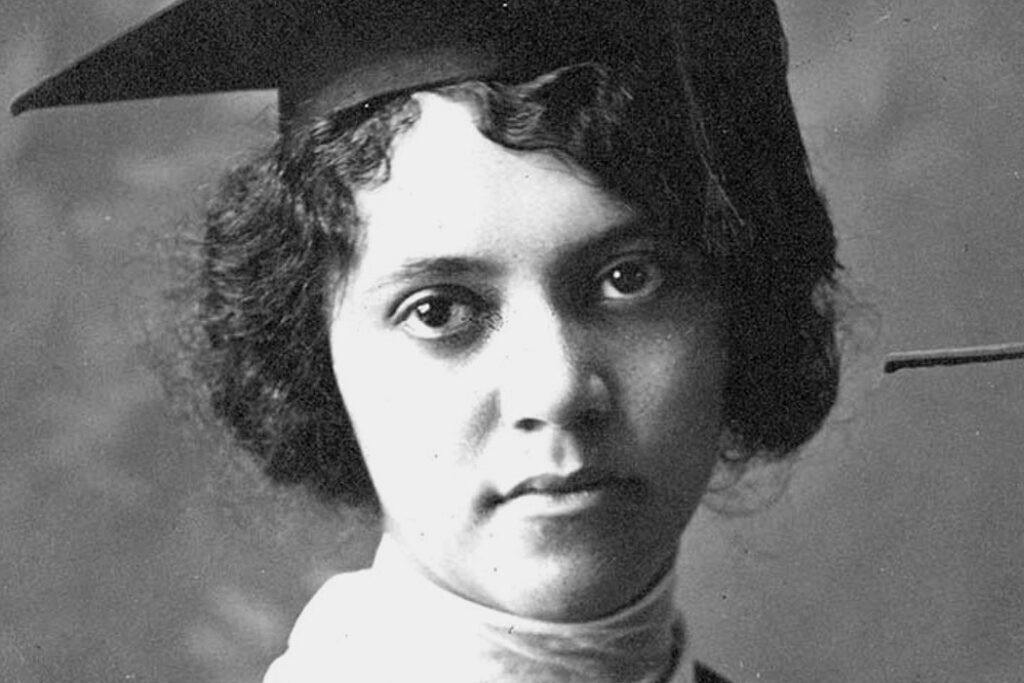
At just 23 years old, Ball developed a groundbreaking treatment for leprosy, a disease that previously had little chance of recovery, and forced victims into exile.
Leave A Comment